Commercial Hail Storm Damage Roof Repair in Golden, CO
After a major hailstorm or windstorm hits Golden, CO and the surrounding area, commercial property owners face the same question: is the damage repairable, or does the roof need to be replaced? In a substantial portion of cases, the answer is repair. Localized hail strikes, torn membrane sections, damaged flashings, lifted edge metal, and storm-driven punctures can almost always be repaired to restore the roof’s integrity, preserving the existing system, the manufacturer warranty, and a significant portion of the cost compared to full replacement. Commercial storm and hail damage flat roof repair is what we do when an experienced inspection shows the damage is recoverable.
Baseline Roofing and Solar performs storm and hail damage repairs on every major commercial flat roofing system across Golden, CO and surrounding Colorado communities, TPO, EPDM, PVC, modified bitumen, built-up roofs, spray foam, and coated systems. We are licensed, fully insured, and certified by every major commercial roofing manufacturer (Carlisle, Versico, GAF, Mule-Hide, Firestone, Johns Manville, and others). That breadth matters because storm damage repairs only count when they’re done with manufacturer-approved materials and methods that preserve the warranty on the rest of the roof.
On this page. We’ll explain when storm damage is genuinely repairable versus when replacement is the right call, walk through the system-specific storm repairs we perform, discuss working within an insurance-approved scope, address timing considerations after a storm, and explain why a Colorado-based, manufacturer-certified contractor produces a fundamentally different repair outcome than the storm chasers that flood the area after every major event.
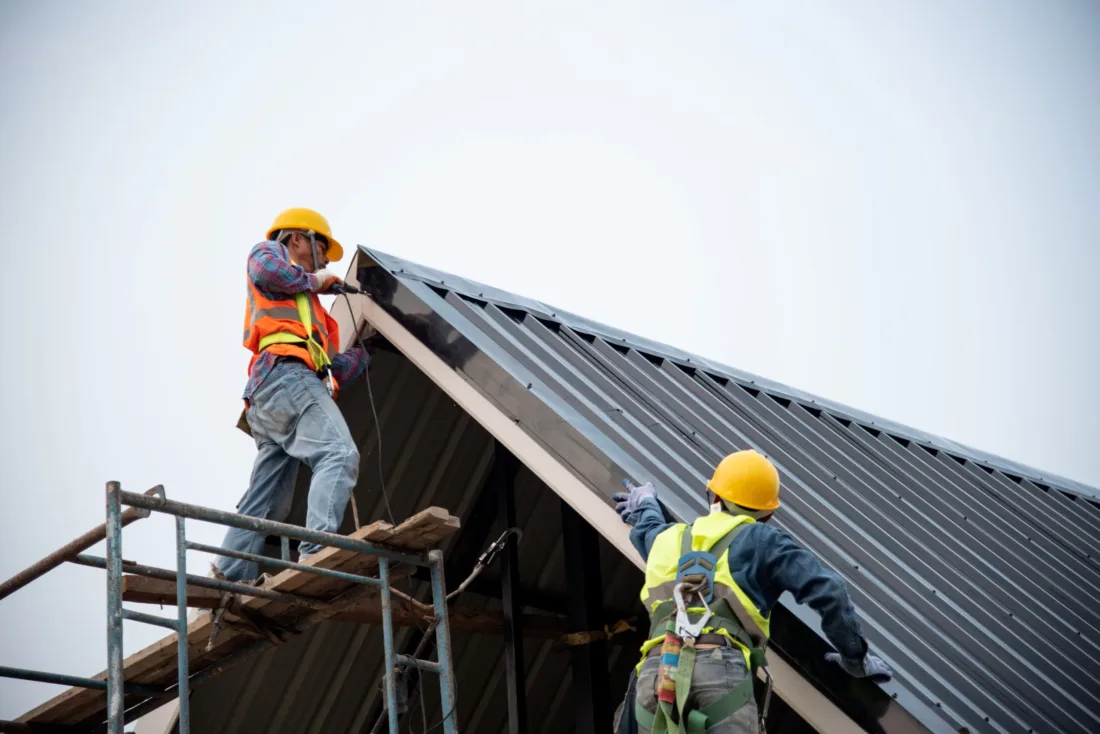
When Storm Damage Is Repairable (and When It Isn’t)
The repair-versus-replacement decision after storm damage comes down to extent, severity, system age, and insulation condition. Storm damage that is localized, surface-level, and on a system with significant remaining service life is almost always a repair. Storm damage that is widespread, has compromised the membrane system-wide, or has saturated insulation underneath usually warrants replacement.
Typical Repair Scenarios
- Hail damage concentrated in specific areas of the roof, with the rest of the membrane intact
- A single section of lifted or torn membrane after a wind event
- Damaged edge metal, gravel stops, or parapet caps without underlying membrane damage
- Punctures from wind-driven debris on an otherwise sound roof
- Damaged HVAC curb flashings, pipe boots, or other penetration details
- Localized seam separation triggered by storm-related thermal stress
- Storm damage on a relatively young system with most of its service life remaining
Typical Replacement Scenarios
- Hail damage spread across the entire roof on an aged system
- Widespread membrane fracture or system-wide failure
- Saturated insulation underneath storm-damaged membrane
- A system that was already at the end of its service life when the storm hit
- Damage where repair cost approaches a meaningful percentage of replacement cost
Our inspection report will tell you straight which path makes sense for your roof. We do not push replacement when repair will produce the same long-term outcome at a fraction of the cost. And we don’t recommend repair when the underlying system has already failed and patching localized damage will only delay the inevitable.
Internal link: this section should link to the Commercial Storm & Hail Damage Flat Roof Replacement page when published.
Storm and Hail Damage Repairs by Commercial Roof System
Storm damage repairs are system-specific. The materials, methods, and manufacturer specifications differ for each commercial roofing system, and using the wrong approach can void the manufacturer warranty on the entire roof. Here’s what storm repair looks like on each major commercial system we work on.
TPO Roofing Storm Repair
On TPO membranes, hail-damaged areas are cut out and replaced with manufacturer-approved patches heat-welded to the surrounding membrane. Punctures are similarly patched with heat-welded TPO. Damaged seams are cleaned, re-prepped, and re-welded. Aged TPO that has lost some of its top-ply integrity may require larger overlay sections rather than spot patches.
EPDM Roofing Storm Repair
EPDM repairs use manufacturer-approved tape systems, splicing adhesives, and uncured EPDM patches. Cleaning, priming, and proper application temperature all matter, EPDM repairs done at the wrong temperature or without proper substrate prep fail within months. Hail-damaged areas are typically patched with cured EPDM patches over primed substrate.
PVC Roofing Storm Repair
PVC storm repairs use heat-welded PVC patches matched to the original membrane formulation. Aged PVC can be brittle and harder to weld cleanly, which is why we test weld parameters on a sample area before full repair work. Edge metal, parapet caps, and termination details are repaired with manufacturer-approved components.
Modified Bitumen Storm Repair
Modified bitumen storm repairs use heat-applied (torch-down), cold-applied, or self-adhered patches matched to the existing membrane. Hail-damaged areas with significant granule loss are typically patched with new modified bitumen plies and re-surfaced. Severe localized damage may warrant a full ply replacement in the affected area.
Built-Up Roofing (BUR) Storm Repair
BUR storm repairs involve mastic and reinforcing fabric or new ply sheet sections, gravel re-distribution to expose-area, and flashing rebuilds where storm damage has affected parapets or penetrations. Aging built-up roofs often benefit from a coating system as a comprehensive storm repair rather than a series of spot patches.
Spray Foam (SPF) Storm Repair
SPF repairs use spot foam application to fill hail-impact craters or punctures, followed by recoating to maintain the protective top layer. Where the coating is widely damaged but the foam is sound, recoating the entire roof can address storm damage comprehensively while restoring service life.
Coated Roofing System Repairs
On silicone, acrylic, and elastomeric coated systems, storm damage often appears as coating fracture, lifting, or membrane damage visible through the coating. Repairs involve patching the underlying membrane (where damaged), then recoating the affected area with the original coating system to restore continuity.
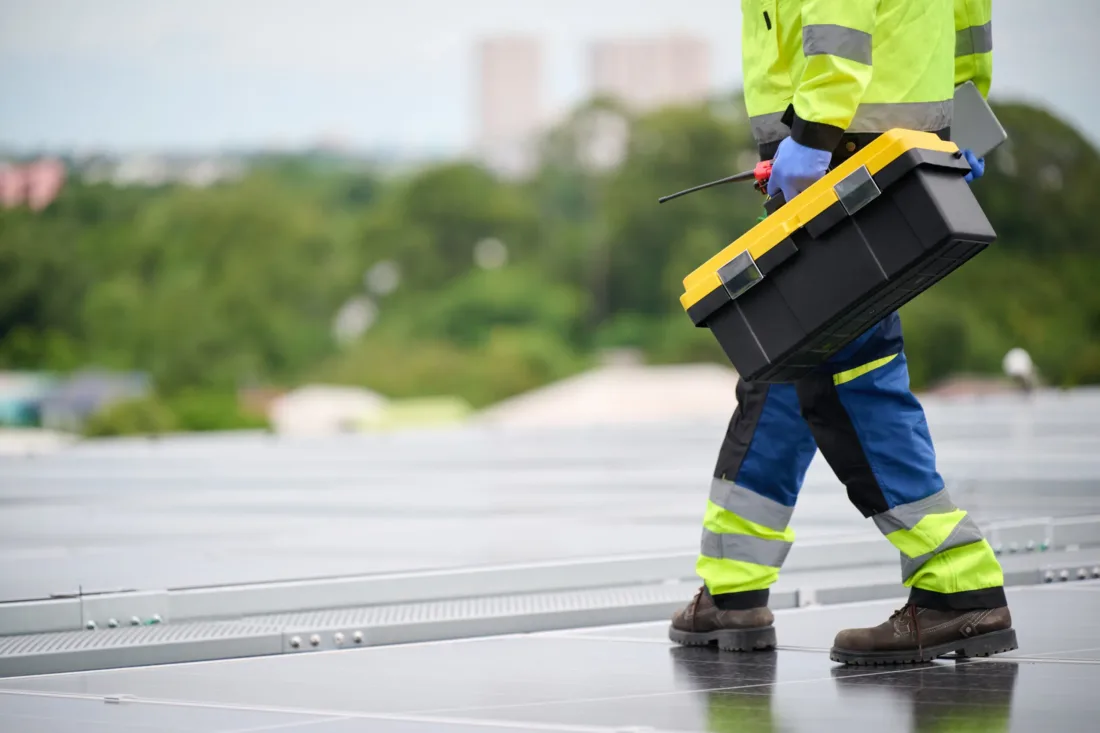
Working Within an Insurance-Approved Scope
Most commercial storm damage repairs in Golden, CO are funded through insurance claims. That changes how the work is structured: the scope of repair has to align with what the carrier has approved, supplemental damage discovered during repair work has to be documented for additional claim consideration, and the materials and methods used have to satisfy both manufacturer warranty requirements and the carrier’s expectations.
How we operate within an insurance scope:
Once your insurance carrier has approved a scope of repair, we work to that scope using manufacturer-approved materials. If we discover during repair work that additional damage exists beyond the approved scope, for example, saturated insulation under a hail-damaged area, or additional wind damage that wasn’t visible on the initial inspection, we document the supplemental finding and provide that documentation to you so you can submit a supplement to the carrier.
What we cannot do:
Under Colorado law, roofing contractors cannot legally negotiate insurance claims or act as insurance adjusters. We document, we write scopes, we communicate with adjusters about the work itself, but the claim is between you and your carrier. Anyone telling you otherwise is operating outside Colorado law.
Code upgrades and warranty considerations:
Many commercial property insurance policies include a “law and ordinance” or “code upgrade” endorsement that pays for code-required upgrades during repair, for example, energy code insulation requirements, drainage upgrades, or wind-uplift compliance. We identify these on the initial scope to help ensure they are included in the approved repair. And we document them for supplements where they were missed initially.
Internal link: this section should link to Commercial Roof Insurance Claims and Storm & Hail Damage Roof Insurance Claims pages.
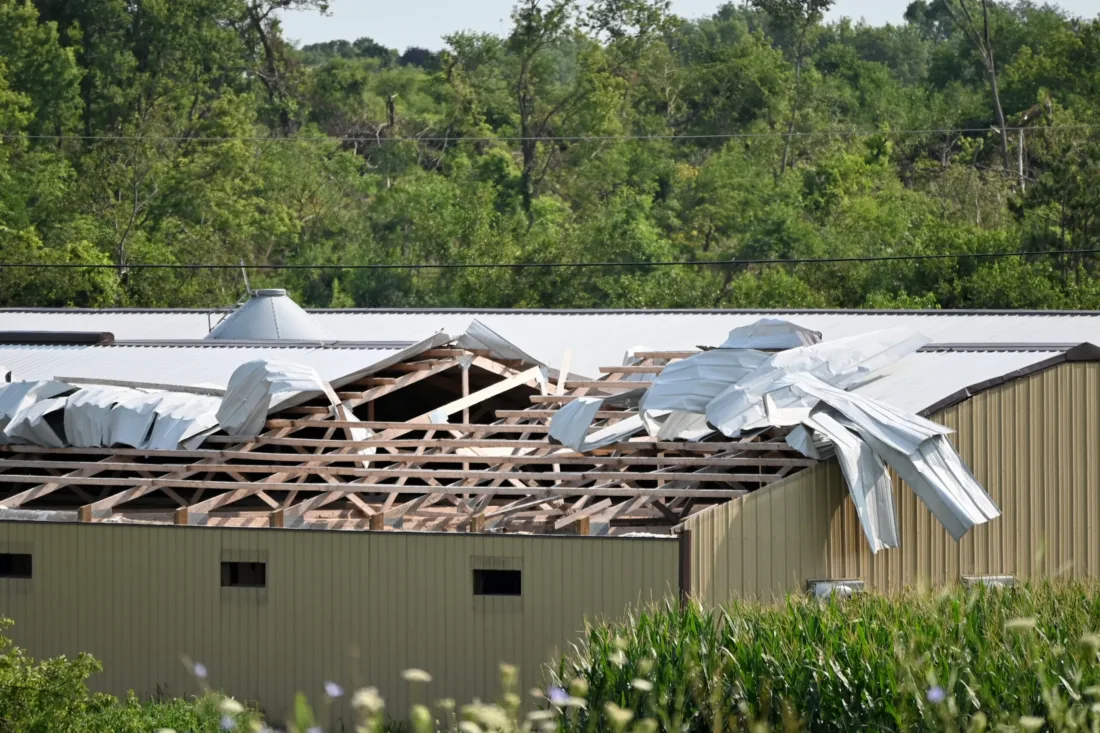
Why Storm Repair Timing Matters in Golden, CO
Time matters more on storm damage repair than on most other commercial roofing work. Three reasons drive that urgency.
The next storm is coming.
Golden, CO’s hail and wind seasons produce repeat events. A roof damaged by a hailstorm in May is far more vulnerable to the next storm in June or July if the damage hasn’t been addressed. Early repair limits damage propagation and prevents a manageable repair from turning into a much larger one.
Insurance reporting deadlines.
Most commercial property policies require prompt notification of damage. Repair scoped and underway within weeks of the storm is well within typical reporting and resolution timelines. Damage discovered six months later, when an undocumented hail event has degraded a roof that’s now leaking, produces much harder claim conversations.
Damage propagation.
Hail-fractured membranes don’t always leak immediately, but they always degrade. UV penetrates the fractured surface, water enters at impact points and saturates insulation, and what could have been a $10,000 repair turns into a $50,000 repair-plus-insulation-replacement project six months later.
Material availability and crew scheduling.
After a major hail event, roofing materials and crews across the region get committed quickly to insurance-funded work. Property owners who scope and contract repairs early get on schedules earlier and avoid the multi-month wait that can develop in heavy storm seasons.
None of this means rushing. Repairs done at the wrong temperature, with the wrong materials, or without proper diagnosis fail. It means moving with appropriate urgency, getting the inspection, the documentation, and the contract done so the work can be scheduled without artificial delay.
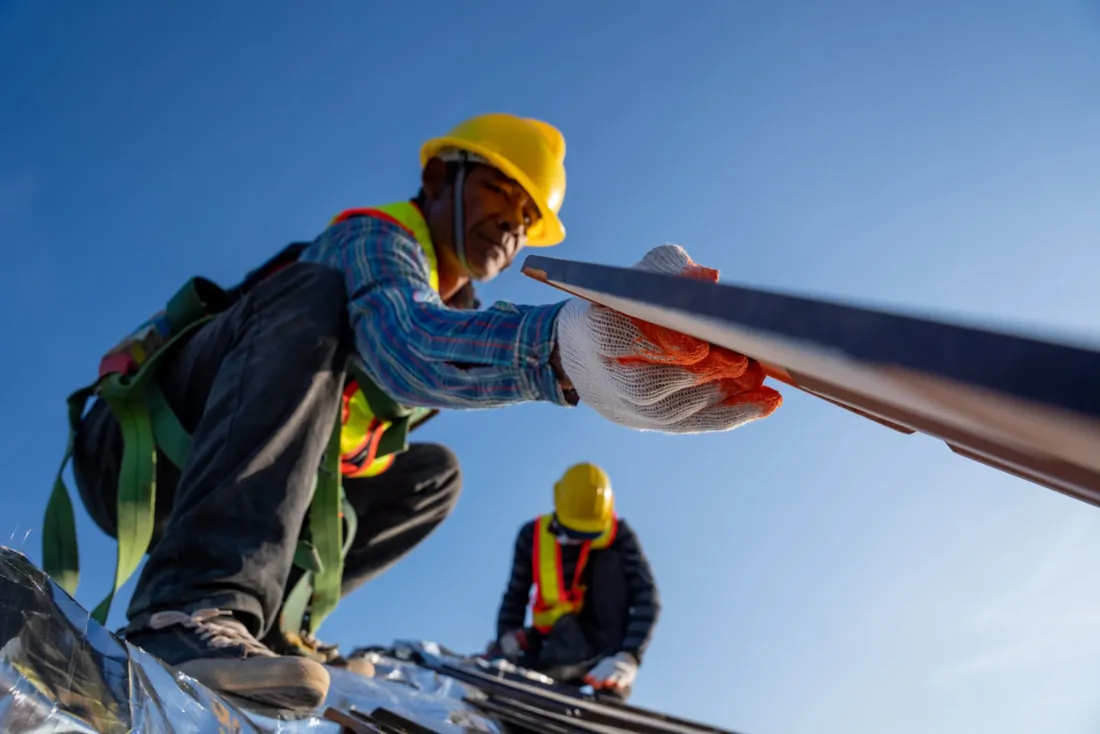
Why Local and Manufacturer-Certified Matters for Storm Repair
After every major hailstorm in Golden, CO and the surrounding area, two kinds of contractors show up to do repair work: local Colorado-based companies that do storm repair as part of their year-round business, and storm chasers from out of state that follow major weather events around the country. The work product looks similar in week one. By year three, the difference is dramatic.
Manufacturer-spec materials and methods.
We are certified across every major commercial manufacturer, which means we use approved materials and methods for the system being repaired. Repairs done with mismatched or unapproved materials void the manufacturer warranty on the surrounding system, which means when a different problem develops three years later, the manufacturer is no longer on the hook for repair or replacement.
Warranty preservation.
Properly executed manufacturer-spec storm repairs preserve the existing manufacturer warranty on the unaffected portions of the roof. That preservation can be worth tens of thousands of dollars over the remaining life of the system.
Long-term accountability.
Baseline is based in Colorado. We’ve been here since the company was founded, and we’re not going anywhere. If a question or issue surfaces with our work two, five, or ten years down the road, we are still here and reachable. Out-of-state storm chasers, by contrast, are typically gone within a year of finishing local work, sometimes within months. Their warranties are theoretically valid; in practice. They’re worthless because the company can’t be reached when called.
Workmanship warranty.
Every storm damage repair Baseline performs carries a workmanship warranty in writing. We tell you exactly what’s covered and for how long. And we honor it because we’re still here to honor it.
Frequently Asked Questions: Commercial Storm & Hail Damage Flat Roof Repair in Golden, CO
-
How quickly should I schedule storm damage repair?
As soon as practical after damage is documented and an insurance scope (if applicable) is approved. Don’t rush the inspection or the documentation, those need to be thorough, but once the scope is approved, the actual repair work should be scheduled without unnecessary delay so the next storm doesn’t compound the damage.
-
Will my insurance pay for the repair?
Storm damage caused by covered events (hail, wind, falling objects) is typically covered under most commercial property insurance policies, though specific coverage varies by policy. We document the damage thoroughly to support your claim. Whether the carrier ultimately pays for repair is between you and the carrier, we cannot promise specific claim outcomes.
-
Will repair work void the manufacturer warranty on my roof?
Not when the repair is done properly. Manufacturer warranties typically require that repairs use the same manufacturer’s approved materials and methods, performed by a certified contractor. Because we are certified across every major commercial manufacturer, we can perform warranty-compliant repairs that preserve the existing warranty on the unaffected portions of the roof.
-
How long does a storm damage repair take?
Project duration depends on the scope of damage, weather, and material lead times. Localized repairs on a single area typically take a day or less on site. Larger repairs spanning multiple roof sections or system components can run several days. Material lead times for less common membrane types or specific colors can sometimes be the longest variable.
-
What if more damage is found during repair than the insurance scope covers?
This happens regularly, particularly when wet insulation or additional storm damage becomes visible during repair work. We document the additional findings with photos and measurements and provide that documentation to you for submission to the carrier as a claim supplement. Most legitimate supplemental findings are approved through this process.
-
Can you repair storm damage on a roof you didn’t install?
Yes, most of our storm damage repair work is on roofs originally installed by other contractors. We identify the system, source manufacturer-compatible materials, and execute the repair to current manufacturer standards. Where possible, we preserve any existing manufacturer warranty in the process.
-
Why should I use a Colorado-based contractor for storm repair?
Storm chasers do not stick around. The contractor that did the work needs to be accessible months and years later when warranty questions or follow-up concerns surface. Local Colorado-based contractors with permanent operations and local references provide the long-term accountability that insurance-funded repair work specifically needs. Out-of-state operators typically cannot.
Get a Commercial Storm Damage Repair Estimate in Golden, CO
If your commercial property has hail or storm damage, the right next step is a thorough inspection by a manufacturer-certified, Colorado-based contractor. Baseline Roofing and Solar inspects, documents, and repairs storm damage on commercial roofs across Golden, CO and surrounding Colorado communities, using manufacturer-spec materials, working within insurance-approved scope, preserving warranties wherever possible, and standing behind every repair with a workmanship warranty.
-
More Commercial Storm & Hail Damage Roof Repair Locations +
- Commercial Storm & Hail Damage Roof Repair in Colorado
- Commercial Storm & Hail Damage Roof Repair in Arvada, CO
- Commercial Storm & Hail Damage Roof Repair in Aurora, CO
- Commercial Storm & Hail Damage Roof Repair in Berthoud, CO
- Commercial Storm & Hail Damage Roof Repair in Boulder, CO
- Commercial Storm & Hail Damage Roof Repair in Brighton, CO
- Commercial Storm & Hail Damage Roof Repair in Broomfield, CO
- Commercial Storm & Hail Damage Roof Repair in Castle Pines, CO
- Commercial Storm & Hail Damage Roof Repair in Castle Rock, CO
- Commercial Storm & Hail Damage Roof Repair in Centennial, CO
- Commercial Storm & Hail Damage Roof Repair in Cherry Creek, CO
- Commercial Storm & Hail Damage Roof Repair in Cherry Hills Village, CO
- Commercial Storm & Hail Damage Roof Repair in Colorado Springs, CO
- Commercial Storm & Hail Damage Roof Repair in Commerce City, CO
- Commercial Storm & Hail Damage Roof Repair in Englewood, CO
- Commercial Storm & Hail Damage Roof Repair in Erie, CO
- Commercial Storm & Hail Damage Roof Repair in Firestone, CO
- Commercial Storm & Hail Damage Roof Repair in Fort Collins, CO
- Commercial Storm & Hail Damage Roof Repair in Frederick, CO
- Commercial Storm & Hail Damage Roof Repair in Golden, CO
- Commercial Storm & Hail Damage Roof Repair in Greeley, CO
- Commercial Storm & Hail Damage Roof Repair in Greenwood Village, CO
- Commercial Storm & Hail Damage Roof Repair in Gunbarrel, CO
- Commercial Storm & Hail Damage Roof Repair in Highlands Ranch, CO
- Commercial Storm & Hail Damage Roof Repair in Lafayette, CO
- Commercial Storm & Hail Damage Roof Repair in Lakewood, CO
- Commercial Storm & Hail Damage Roof Repair in Littleton, CO
- Commercial Storm & Hail Damage Roof Repair in Lone Tree, CO
- Commercial Storm & Hail Damage Roof Repair in Longmont, CO
- Commercial Storm & Hail Damage Roof Repair in Louisville, CO
- Commercial Storm & Hail Damage Roof Repair in Loveland, CO
- Commercial Storm & Hail Damage Roof Repair in Mead, CO
- Commercial Storm & Hail Damage Roof Repair in Niwot, CO
- Commercial Storm & Hail Damage Roof Repair in Northglenn, CO
- Commercial Storm & Hail Damage Roof Repair in Parker, CO
- Commercial Storm & Hail Damage Roof Repair in Superior, CO
- Commercial Storm & Hail Damage Roof Repair in Thornton, CO
- Commercial Storm & Hail Damage Roof Repair in Westminster, CO
- Commercial Storm & Hail Damage Roof Repair in Wheat Ridge, CO
- Commercial Storm & Hail Damage Roof Repair in Windsor, CO